CaptiveAire, ANSUL, Pyro-Chem & NFPA Certified & Licensed
CaptiveAire, ANSUL, Pyro-Chem & NFPA Certified & Licensed
Grease does not stay on cooking surfaces. As food is prepared, grease-laden vapors move into the hood and collect on internal surfaces. Over time, those deposits can spread farther into the exhaust system. Regular cleaning removes this material before it becomes a larger concern for your commercial kitchen. Freedom Fire Inspectors handles kitchen hood cleaning in Dallas, TX for restaurants, hotels, bars, food trucks, and other commercial cooking operations. Our NFPA Certified specialists work around the actual condition of your exhaust system rather than treating every kitchen the same.
We understand that commercial kitchens across the Dallas–Fort Worth (DFW) Metroplex operate with different menus, equipment, hours, and cooking volumes. We clean the areas that collect cooking residue while keeping the service clear and straightforward from the initial site review through final documentation.
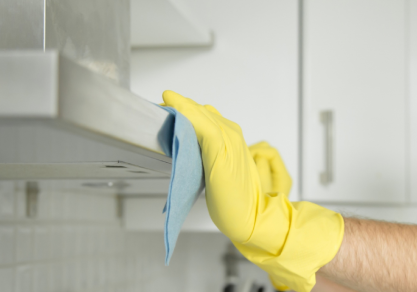
Wiping the outside of a hood may improve its appearance, but it does not address deposits farther inside the exhaust path. Cooking vapors pass through filters and toward ductwork and exhaust components. Those areas can collect residue even when the parts visible from the kitchen floor appear relatively clean. Our kitchen hood cleaning services in Dallas address the commercial exhaust setup beyond routine surface wiping. Before work begins, we look at the kitchen layout, hood arrangement, cooking equipment, and accessible exhaust components so the cleaning scope reflects what is actually installed.
This approach is useful for busy kitchens where fryers, grills, ranges, and other equipment operate for long periods. The amount and type of cooking can affect how quickly deposits develop inside the system.
Grease-laden vapors travel through several parts of a commercial hood system. Cleaning only the visible canopy can leave residue in areas farther along the exhaust path. Our restaurant hood cleaning service in Dallas, TX is designed to address the applicable components based on their condition and the setup found in your kitchen.
Restaurant staff can wipe cooking surfaces, wash reachable areas, and keep the kitchen ready for daily operation. Internal hood components require a different level of access. Grease can settle behind filters, around the plenum, and in other sections that are not part of normal closing duties. During vent hood cleaning in Dallas, our specialists work on accessible grease-bearing areas connected with the hood system. The goal is to remove accumulated cooking residue rather than simply improve the appearance of the exposed stainless steel.
Before kitchen hood cleaning services in Dallas start, nearby equipment and work areas are considered so the service can be carried out without spreading removed residue around the kitchen. Once the work is complete, accessible components are returned to their proper positions. No two kitchens produce exactly the same amount of cooking residue. A food truck running a small cooking line has different operating conditions from a hotel kitchen serving several meal periods. A bar kitchen with limited cooking also differs from a high-volume restaurant with several fryers.
That is why our approach to kitchen hood cleaning in Dallas, TX starts with the system and cooking conditions found at your location. We consider the hood setup and accessible exhaust components before carrying out the work.
Paying for kitchen hood cleaning in Dallas, TX without knowing what technicians actually worked on can be frustrating. We explain the service scope before starting and give you clear information afterward, so you understand what areas were addressed during the visit.
General cleaners may not understand the equipment surrounding a commercial cooking hood. Our specialists work around restaurant fire protection systems and cooking equipment, reducing confusion when cleaning takes place near suppression components, appliances, filters, ducts, and related exhaust parts.
Missing service information can create problems when a manager, inspector, or other authorized party asks about previous cleaning. We provide straightforward service details that you can retain with your kitchen records instead of relying on memory or an uncertain cleaning date.
Do not base the decision only on the number of days your restaurant is open. Cooking volume, menu, equipment, fuel type, and the amount of grease entering the exhaust system all matter. A kitchen doing heavy frying on three busy days can create substantial deposits. NFPA 96 inspection frequencies vary by cooking operation, and cleaning is required when grease buildup is found. Have the system assessed according to its actual use rather than choosing an interval without reviewing conditions.
Yes. The visible canopy is only one part of a commercial exhaust system. Cooking residue can collect behind filters, within the plenum, through accessible duct sections, and around the fan while the exposed stainless steel still looks clean. Our team addresses areas farther along the exhaust path that routine surface wiping may not reach. A detailed inspection of accessible areas can determine where deposits have collected and whether cleaning is needed.
Yes. Regular filter washing is useful, but filters do not cover the entire exhaust system. Grease-laden vapors can move beyond them and leave deposits inside ductwork and other areas that staff cannot reach during routine cleaning. Cleaning a kitchen exhaust hood removes accumulated residue from accessible duct sections when needed. Keeping filters clean is a good routine practice, but it should not replace periodic cleaning of the wider commercial kitchen exhaust system.
Commercial hood work generally requires access to the cooking line and exhaust components, so trying to continue normal cooking can interfere with the service and create unnecessary problems. Many commercial kitchens arrange cleaning during closed or low-activity periods. Before booking, explain your operating hours and kitchen setup so an appropriate service window can be discussed. You should also ask how long access may be required and what preparation is needed before technicians begin work.
Freedom Fire Inspectors serves restaurants, hotels, bars, food trucks, and other commercial kitchens in Dallas. Our NFPA Certified specialists understand the grease and exhaust concerns that come with active cooking operations. We clean applicable hood and exhaust areas based on the system found at your location. You also receive clear service information for your records, making it easier to keep track of completed work and know when your commercial kitchen was last serviced.
Reduced exhaust performance can have several causes, so smoke lingering in the kitchen should not automatically be blamed on dirt alone. However, accumulated residue within filters or other exhaust areas may be one condition worth checking. If you have also noticed visible deposits or cannot confirm the last service date, booking kitchen hood cleaning in Dallas, TX allows the system’s accessible condition to be reviewed and cleaned where required rather than guessing about the source of the change.