CaptiveAire, ANSUL, Pyro-Chem & NFPA Certified & Licensed
CaptiveAire, ANSUL, Pyro-Chem & NFPA Certified & Licensed
A kitchen fire suppression system has to be ready when a cooking fire starts. Grease, high temperatures, open flames, and busy cooking equipment can create serious risks if the suppression system has damaged parts, blocked nozzles, or other problems. Freedom Fire Inspectors offers ANSUL fire suppression system inspection in Dallas for commercial kitchens that need their systems checked by licensed fire protection specialists.
We work with restaurants, hotels, bars, food trucks, and other commercial cooking operations. Our NFPA-certified team checks the parts that affect system operation and records the condition found during the visit. We also handle installation and maintenance for kitchen fire suppression systems and fire extinguishers, giving commercial kitchens one source for essential fire protection work. Businesses throughout Dallas and the Dallas-Fort Worth region can rely on straightforward service based on actual kitchen hazards rather than a general checklist.
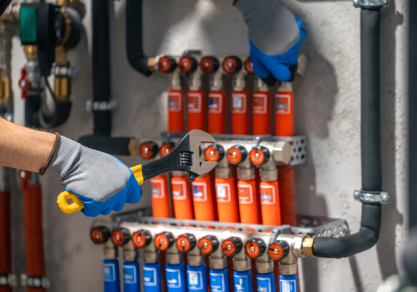
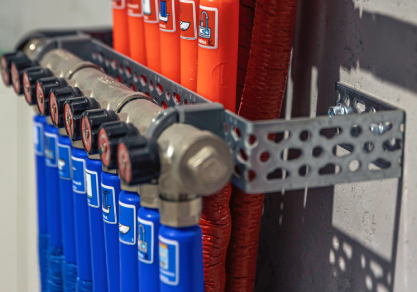
A suppression system includes several connected components that must work together when a fire occurs. An ANSUL fire suppression inspection expert in Dallas, TX, examines the condition of the system and identifies concerns that could affect its response.
Our inspection considers the cooking equipment currently positioned beneath the hood and whether the protection setup remains appropriate for that equipment. This is especially important when appliances have been replaced, moved, or added since an earlier service visit.
An NFPA certified professional like us should understand that commercial kitchens change over time. A fryer moved to another position or a new appliance added beneath the hood can affect how the existing protection relates to the cooking line. We point out concerns clearly so you know what requires attention.
Inspection paperwork matters when you need to answer questions from a fire marshal, review previous service, or keep internal safety records current. Freedom Fire Inspectors documents the work performed and provides straightforward service information rather than leaving your team to work out what was checked. Our ANSUL fire suppression inspection services in Dallas include inspection tags and records that make it easier to track system service. When an issue is found, we identify the concern so your team knows what needs correction instead of receiving vague notes. Every visit follows applicable NFPA requirements for the work being performed. Our licensed specialists understand commercial cooking risks and inspect systems with the actual equipment setup in mind.
Knowing what happens during service makes it easier to prepare your kitchen and coordinate the visit. Our ANSUL fire suppression inspection expert in Dallas, TX follows a direct four-part process built around the system, cooking equipment, and records your business needs.
A commercial kitchen has different fire risks from most other business spaces. Fryers, ranges, grills, and other cooking equipment can operate for long periods while grease accumulates around the cooking area. During ANSUL suppression system inspection, our team considers these working conditions while checking the fire protection system. We work with independent restaurants as well as commercial kitchens operating inside hotels, bars, mobile food operations, and similar businesses. Our kitchen-focused approach keeps the inspection relevant to the cooking hazards present at your location. If equipment has recently changed, tell our specialist before the inspection begins. Even when the suppression equipment itself appears unchanged, modifications to the cooking line may require closer review.
Commercial kitchens using an ANSUL R-102 system depend on wet chemical protection intended for cooking hazards. Booking our ANSUL R-102 inspection gives you an opportunity to identify visible system concerns before an emergency exposes them. A restaurant may also change its cooking line between inspections. Equipment can be replaced with a different model, moved beneath the hood, or removed altogether. Those changes are worth reviewing because the protected hazard may no longer be exactly the same as it was during an earlier visit.
Waiting until an official visit to learn that something needs correction can create avoidable pressure for your business. Our kitchen fire suppression inspection services in Dallas, TX give you a clear review of the system before an unresolved issue becomes harder to deal with. We check the system based on its current condition rather than assuming that an existing tag means every component remains in proper order. Kitchens experience heat, grease, equipment movement, cleaning activity, and daily use, all of which make regular inspection important.
You may need an ANSUL inspection near Dallas, TX when taking over an existing restaurant, preparing a new commercial kitchen, changing cooking equipment, or reviewing a system that has not received recent service. In each case, knowing the current system condition gives you better information for making service decisions. An existing suppression system should not simply be assumed ready because it is already installed above the cooking line. When performing fire suppression testing, we review the setup on site and document the findings. However, if another action is required, you receive clear service details that make the next decision easier.
Regular inspections give you a documented view of your suppression system’s current condition. With ANSUL system inspection, Freedom Fire Inspectors checks the system against the cooking hazards present at the time of service and records the findings for future reference. This approach is useful when you manage equipment changes, prepare for a fire marshal visit, review previous service, or simply need to know whether an existing system requires maintenance.
Book an ANSUL fire suppression system inspection in Dallas with Freedom Fire Inspectors and get your commercial kitchen system checked by licensed fire protection specialists.
A fryer or range may have been moved since the last inspection without anyone considering the suppression coverage. Our ANSUL fire suppression system inspection in Dallas reviews the current cooking setup, helping identify changes that could affect how the system protects the cooking area.
Missing inspection information can become a problem when someone asks when your system was last serviced. We provide clear records and inspection details, giving your team useful documentation instead of relying on old tags, incomplete files, or uncertain service dates.
Taking over an existing restaurant can leave you unsure about previous equipment changes or suppression work. We review what is currently installed and explain what we find, giving you a clearer picture before you rely on an unfamiliar fire protection system.
Yes. Changing cooking appliances can alter the hazard beneath the hood, even when the suppression equipment has not visibly changed. An ANSUL inspection service can help review the new appliance position and existing protection setup to identify concerns that may require correction. This is especially useful when equipment differs in size, placement, or cooking method. Do not assume the previous setup remains appropriate simply because the hood and suppression equipment are still installed.
A current tag gives you information about previous service, but it does not tell you everything that may have happened afterward. Equipment could have been moved, components could have been damaged, or changes may not be obvious to a new owner. Booking an ANSUL fire suppression system inspection in Dallas can give you a current review of the installed system and cooking setup, along with documentation you can keep with your new business records.
A missing cap is worth having checked rather than simply waiting for the next planned visit. The nozzle is part of the suppression system’s discharge setup, and its condition should be reviewed by a qualified fire protection specialist. Avoid trying to replace, adjust, or alter suppression components yourself. A specialist can inspect the affected area, determine whether anything else requires service, and explain the appropriate action based on the system found at your location.
Do not guess about a fire suppression system when you notice a damaged, loose, missing, or unusual component. Contact a licensed fire protection professional and explain what you found. The correct response depends on the component involved and the condition of the system. A specialist can determine what needs inspection or service and explain the next action. This is safer than attempting a repair yourself or assuming the condition will not affect protection.
Yes, especially when equipment has been moved from the positions used during previous suppression service. A cleaning crew may shift fryers, ranges, grills, or other appliances to reach floors and walls. If those appliances are returned to different positions, their relationship with the protected cooking area may change. A qualified specialist can review the current arrangement and determine whether the movement created an issue that requires correction before normal kitchen operations continue.
A food truck has limited space, closely positioned cooking equipment, and a suppression system installed around a compact cooking line. Those conditions make the exact appliance arrangement important during inspection. A qualified specialist should review the installed system in relation to the equipment currently being used. If appliances were replaced or repositioned inside the truck, mention those changes during the visit so the current setup can be reviewed rather than relying solely on previous service information.